Virginia Home Energy Audit: A Practical First Pass
- Audit the house before shopping for the house
- Begin with bills, not guesses
- Make safety the first inspection category
- Check the easy maintenance items
- Understand air sealing and insulation as partners
- Know what a professional audit adds
- Sequence work to avoid paying twice
- Verify programs immediately before committing
- Measure what changed
Audit the house before shopping for the house
A practical Virginia home energy audit begins with evidence: twelve months of utility bills, comfort complaints by room and season, equipment details, filter condition, visible insulation, and safe observations of drafts or moisture. Rank health and safety first, then diagnose the building shell and systems together. Only after that should a product quote become the plan.
Virginia includes humid coastal areas, Piedmont summers, mountain winters, old masonry, newer subdivisions, apartments, and manufactured homes. A measure that helps one building may waste money or create moisture and ventilation trouble in another. No statewide list can replace the house in front of you.
You can do a useful first pass yourself. A qualified professional can add blower-door testing, combustion-safety checks, infrared imaging under suitable conditions, duct diagnostics, and savings modelling. Stop DIY work around suspected asbestos or lead, damaged wiring, combustion venting, structural problems, mould, or inaccessible spaces.
Begin with bills, not guesses
Collect a full year of electricity, gas, propane, oil, or other fuel use. Record consumption units as well as cost; price changes can make the bill rise even when usage falls. Note billing periods, estimated readings, tariff changes, unusually vacant weeks, electric-vehicle charging, new occupants, equipment failure, or major weather events.
Create a simple table:
| Month | Electricity use | Other fuel use | Cost | Weather or household note |
|---|---|---|---|---|
| Example | Use bill units | Use bill units | Actual total | Guests, heat wave, equipment change |
Do not compare one January with one October and announce a breakthrough. Compare similar seasons and, when possible, use utility tools that adjust or contextualise weather. Savings claims require a baseline, consistent scope, and enough time. The thermostat cannot provide audited financial statements because you bought it a phone app.
Mark rooms that are drafty, humid, stuffy, noisy through exterior gaps, difficult to heat or cool, or noticeably different from the thermostat. Record when the problem occurs: sunny afternoon, windy night, after showers, or whenever one particular system runs.
Make safety the first inspection category
Confirm that smoke and carbon-monoxide alarms are present, placed, tested, and replaced according to current manufacturer and local guidance. Never block combustion-air openings or exhaust vents. If a fuel-burning appliance shows soot, unusual odour, visible damage, repeated shutdowns, or venting concerns, stop and call a qualified technician.
Look for roof leaks, plumbing leaks, standing water, damaged insulation, visible mould, pests, scorched electrical components, and friable or unknown older materials. Photograph from a safe position rather than disturbing them.
Do not enter an attic without a safe walkway, adequate clearance, lighting, and protection from heat, nails, wiring, and falling through the ceiling. Do not crawl under a home where access, animals, water, structural condition, or air quality are uncertain. An energy audit should not become an emergency-room origin story.
Check the easy maintenance items
Read the heating and cooling equipment labels and record model, age if known, fuel, service history, and filter size. Check the filter according to the manufacturer’s directions and replace or clean it when required. A clogged filter can restrict airflow, but a filter that is too restrictive for the system can also cause problems; use the equipment or technician’s specification.
Confirm that indoor and outdoor units are unobstructed. Keep vegetation, stored boxes, rugs, and furniture from blocking intakes, returns, radiators, registers, and outdoor clearances. Clean accessible refrigerator coils only according to the appliance manual and disconnect power when directed.
Inspect exterior-door weatherstripping for gaps, brittleness, or compression. Check operable windows for latches and damaged seals. Use a tissue or damp hand to notice drafts only where it is safe; never hold flame near leaks, insulation, curtains, gas appliances, or building materials.
Low-risk maintenance can improve comfort and provide a clean baseline. It also prevents an assessor from spending the first paid hour discovering that the return grille has been serving as a bookshelf.
Understand air sealing and insulation as partners
Insulation slows heat flow through assemblies. Air sealing reduces uncontrolled air movement through gaps. The U.S. Department of Energy compares them to a sweater and a windbreaker: each does a different job.
Common leakage sites can include plumbing and wiring penetrations, attic hatches, dropped soffits, recessed fixtures, chimney chases, rim joists, garage connections, and duct penetrations. Windows and doors are visible, but they are not automatically the largest leaks.
Do not seal blindly around chimneys, flues, fuel-burning equipment, recessed lights not rated for insulation contact, or ventilation openings. Air sealing changes pressure and moisture movement. DOE guidance pairs it with ventilation and combustion safety for a reason.
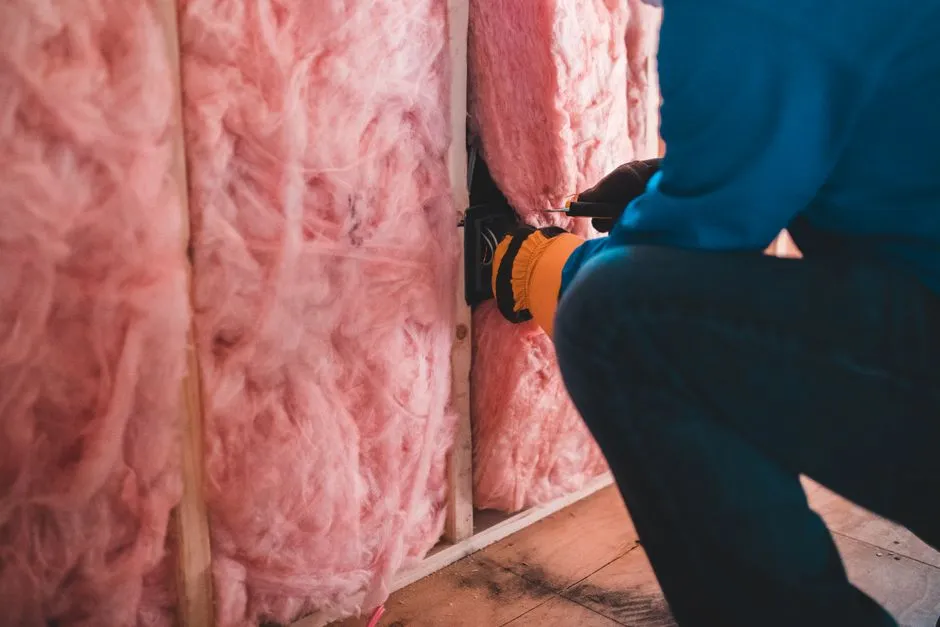
In an accessible attic, an assessor may look for uneven or missing insulation, dirty insulation that suggests air movement, compressed batts, and moisture. R-value depends on material and installed thickness; a fluffy label does not guarantee field performance. Get a scope that separates air sealing from insulation depth and specifies how hazards, ventilation, and access will be handled.
Know what a professional audit adds
A blower door uses a calibrated fan in an exterior doorway to create a pressure difference and measure whole-home leakage. While the fan operates, the assessor can locate important leaks using instruments and observation. Combustion appliances must be handled under a safe test procedure.
Infrared cameras can reveal surface-temperature patterns associated with missing insulation, leakage, moisture, or thermal bridging, but images require context. Weather, indoor-outdoor temperature difference, sun, wind, and materials affect the picture. A colourful image is not proof of a specific defect; it is evidence to interpret.
Ask a prospective assessor:
- Which certifications, licences, and insurance apply to the work?
- Does the assessment include blower-door and combustion-safety testing?
- Will you inspect ducts, ventilation, moisture, and equipment operation?
- Do you sell the improvements you recommend, and how are conflicts disclosed?
- Will the report rank measures by safety, comfort, durability, cost, and modelled savings?
- What assumptions and utility rates underlie savings estimates?
- Will post-work testing confirm results?
The cheapest report can be expensive if it is merely a sales brochure with a fan attached.
Sequence work to avoid paying twice
Correct active water entry, unsafe combustion, electrical hazards, structural issues, and serious moisture problems first. Then consider air sealing and insulation together with ventilation. Address duct leakage and airflow where applicable. Size replacement heating and cooling equipment for the improved home, not solely from the old unit’s label.
Replacing equipment before reducing loads can lead to oversizing and missed comfort problems. Conversely, sealing a home without considering ventilation or combustion can create hazards. Whole-home thinking is less glamorous than a new machine and considerably more useful.
Windows may deserve replacement when damaged, failing, unsafe, or important to a broader renovation. For energy alone, compare full replacement with repair, weatherstripping, storm windows, shades, and shell improvements. Demand itemised assumptions rather than “up to” savings borrowed from a different house.
Renters can document drafts, leaks, equipment faults, and bills; use curtains or shades appropriately; maintain accessible filters when responsible; and request repairs. Get written permission before permanent alterations. Lease terms and building ownership determine what is possible.
Verify programs immediately before committing
Virginia Energy directs residents to Virginia Energy Connect for current incentives and assistance. Utilities, localities, federal programs, and weatherization providers may have separate offerings. Eligibility, funding, contractors, preapproval, required testing, income limits, and eligible dates can change.
Before signing or buying:
- Open the official current program page, not a contractor’s old screenshot.
- Confirm eligibility for the household, building type, utility territory, and exact measure.
- Ask whether approval must occur before purchase or installation.
- Confirm contractor or product requirements.
- Save the rules, application, quote, and written approval.
- Do not assume tax credits or rebates stack.
At the time of this writing, Virginia’s official material says some home-energy rebate details remain in development. That is precisely why an evergreen guide should not promise a cheque. Verify again at decision time.
Measure what changed
After work, keep the same bill-and-comfort log. Note occupancy, thermostat, weather, fuel switching, and new loads. Ask for blower-door or other post-work results when included. Photograph concealed work before it is covered and retain product, permit, warranty, and commissioning records.
Comfort, indoor air, durability, and lower peak demand can matter alongside annual energy. Be honest about attribution: a milder winter, fewer occupants, or a new electric vehicle can overwhelm the signal.
The same local-evidence habit applies beyond energy. Our Virginia recycling guide starts with the receiving program’s actual list, backyard composting starts with materials and moisture, and a Virginia native-plant yard starts with region and site.
A useful audit does not tell every house to buy the same thing. It turns a vague complaint—high bill, cold room, humid corner—into a ranked set of testable causes. Measure first, fix safely, verify afterwards. The greenest gadget in the house may turn out to be a clipboard with no affiliate link.